 Made to measure: hook-and-loop or roll


Why should we air our homes in winter?
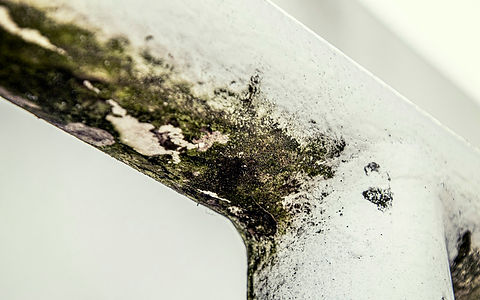
Behind closed windows, cooking, showers, laundry and breathing add humidity to the air all day. In a home that is not aired, this humidity condenses on cold walls and around the glass; over time mould can form. The air gets heavy and smells build up.
Why is outdoor air dirtier in winter?
In cold weather, chimney smoke from heating increases. On still, cold days polluted air can be trapped close to the ground. That is why a black, greasy layer of soot appears more often on windowsills in winter.
Airing correctly: brief and with a cross-draught
- Air briefly with the window fully open. Instead of leaving the window ajar for hours, opening opposite windows for a short time refreshes the air without chilling the walls.
- Rather than the evening hours when chimneys are busiest, choose the middle of the day.
- In the bathroom and kitchen, remove humidity at its source.